Dao Taiji
The Art Of Taiji
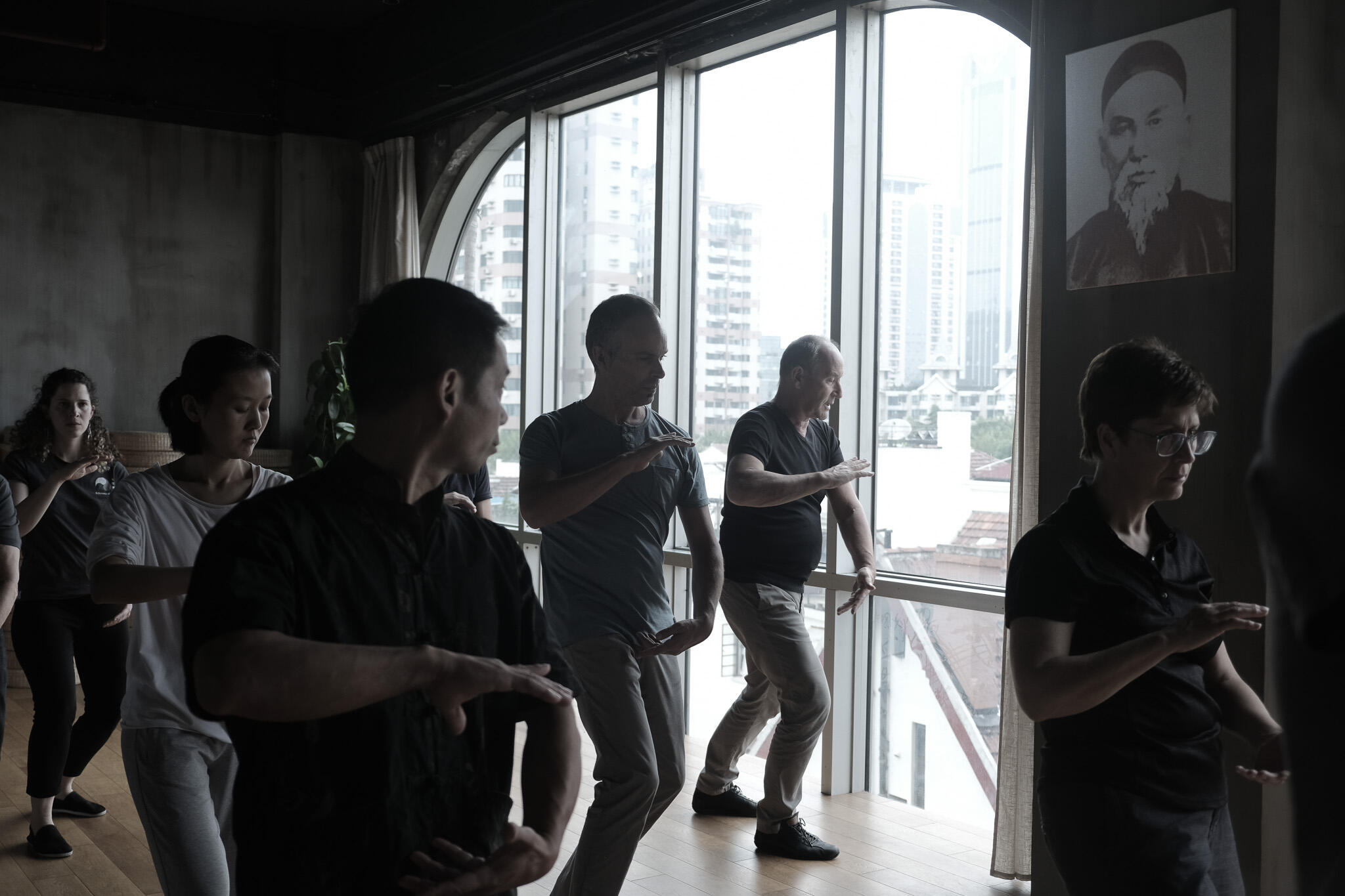
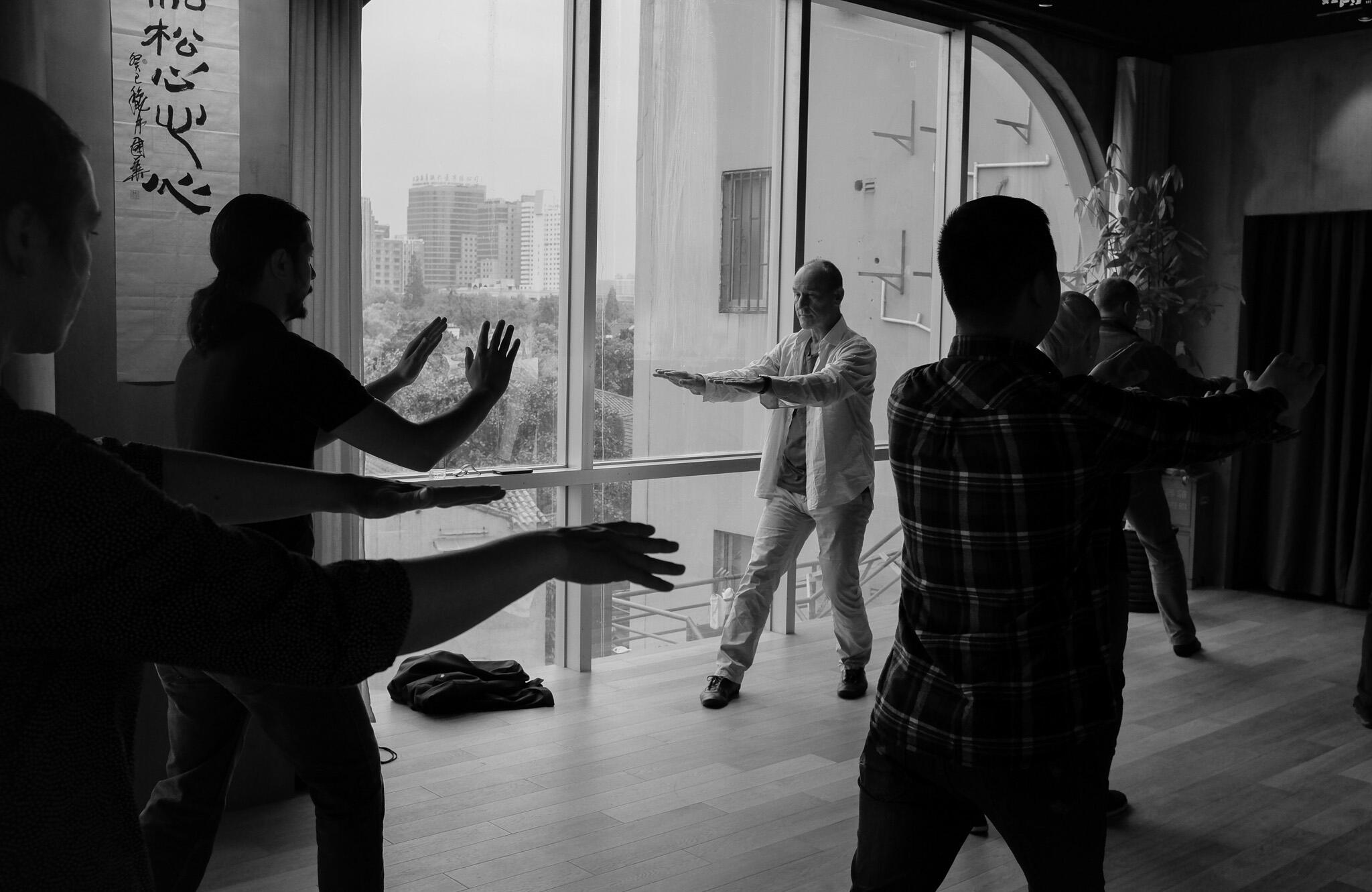
The art of Taiji or Tai Chi as it's been called in the west, developed in China over hundreds of years as a movement and martial art based on Daoist principles, aimed at personal development, harmony, improved health, and self-defense. The art rests on release, listening, sensitivity, and timing.
Practice contributes to good posture and flexibility, strengthens the immune system, and improves concentration, coordination, and balance. Tai Chi can be practiced at any age, and no previous experience is required.
Oren Nahum
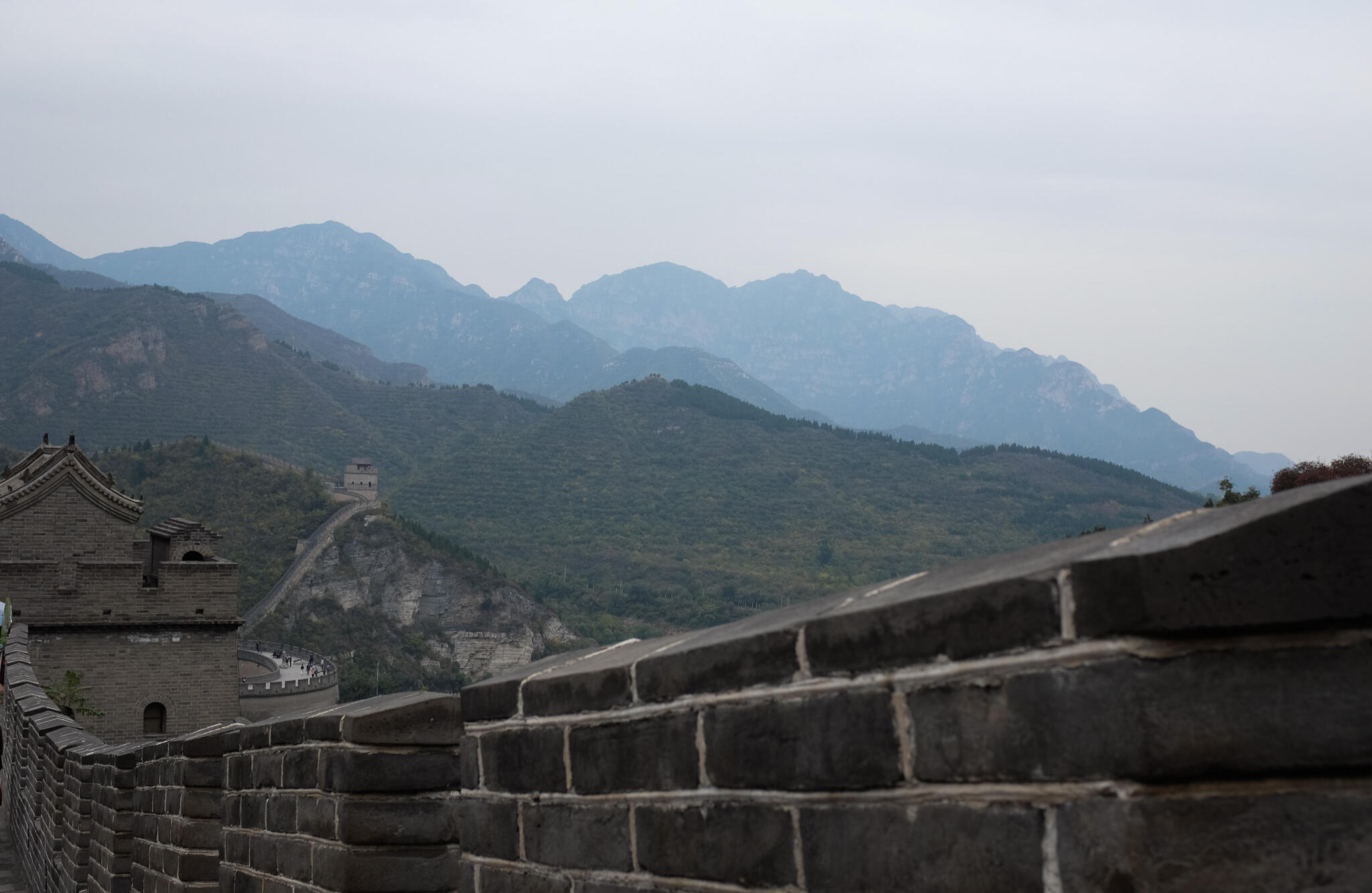
More than 30 years of experience practicing taiji and Fujian white crane. A student of Patrick Kelly and Dan Russell. A certified instructor of the Wingate Institute israel, and a certified instructor of Patrick Kelly’s international school of Taiji.
Dao Taiji
Patrick A Kelly
9 Clouds School of Taiji
The knowledge taught is based on the “inner school” of the Yang family, as passed to senior students in a direct lineage from the founder of the Art. Traditional Chinese schools teach thousands of people external movements and general principles. Only a few — those who have earned the teacher’s trust — become students of the inner school and receive the knowledge related to states of consciousness, complex theory, intention, and internal forces.
The school is part of the international school Patrick A Kelly, with main centers in Shanghai, Zurich, and New Zealand, and dozens of teachers and active branches around the world.
Dao Taiji
Quam curae massa
The Training
Master Huang Sheng Shyan’s five exercises, for learning the foundations of movement, posture, physical and mental release, and internal processes
Grandmaster Cheng Man-ch’ing’s 37-movement form, which contributes to improved health, balance, and correct movement
Tuishou: partner-exercise sequences in fixed patterns, for learning maneuvering, deflection, use of elastic force, sensitivity, and timing
Varied fighting exercises and techniques from Tai Chi and southern Kung Fu
The long form, Grandmaster Yang Chengfu’s 108 movements (for advanced students), for deeper work in Tai Chi
Master Huang’s fast form, for improving movement ability, use of elastic force, intention, and combat skills
Fujian White Crane Kung Fu: techniques and the staff form
Daoist meditation